

TL;DR:
Why Unlimited Data Matters?
Running out of data in the middle of a Netflix binge or during an important Zoom call is beyond frustrating. And with the average household now using between 500 to 700 GB of data every month (according to recent studies), those old data caps just don’t cut it anymore.
You don’t need to spend a fortune to get unlimited internet. In fact, some of the best unlimited plans cost less than what many people spend on streaming services. We’re talking reliable, fast internet that lets you stream 4K videos, work from home, play online games, and connect all your smart home gadgets without constantly checking your data usage.
Best Unlimited Internet Plans Under $50
Astound Broadband
$20
/month300 Mbps
- Unlimited data included
- No contracts required
- Free equipment
- Free installation (select areas)
- Perfect for 3-5 person households
10 States + Washington D.C.
View PlanFrontier Fiber
$29.99
/month500 Mbps
- True unlimited data
- Fiber-optic reliability
- 1-year Price guarantee
- No equipment fees
- Symmetrical upload speeds
25 States (expanding)
View PlanSpectrum Internet
$30
/month100 Mbps
- No hard data caps
- Free modem included
- Wide availability
- No annual contract
- Price increases after 12 months
41 States – Excellent coverage
View PlanVerizon 5G Home
$35
/month300 Mbps
- Unlimited data
- No annual contract
- Price Lock guarantee
- Free gateway
- $15/mo discount with mobile
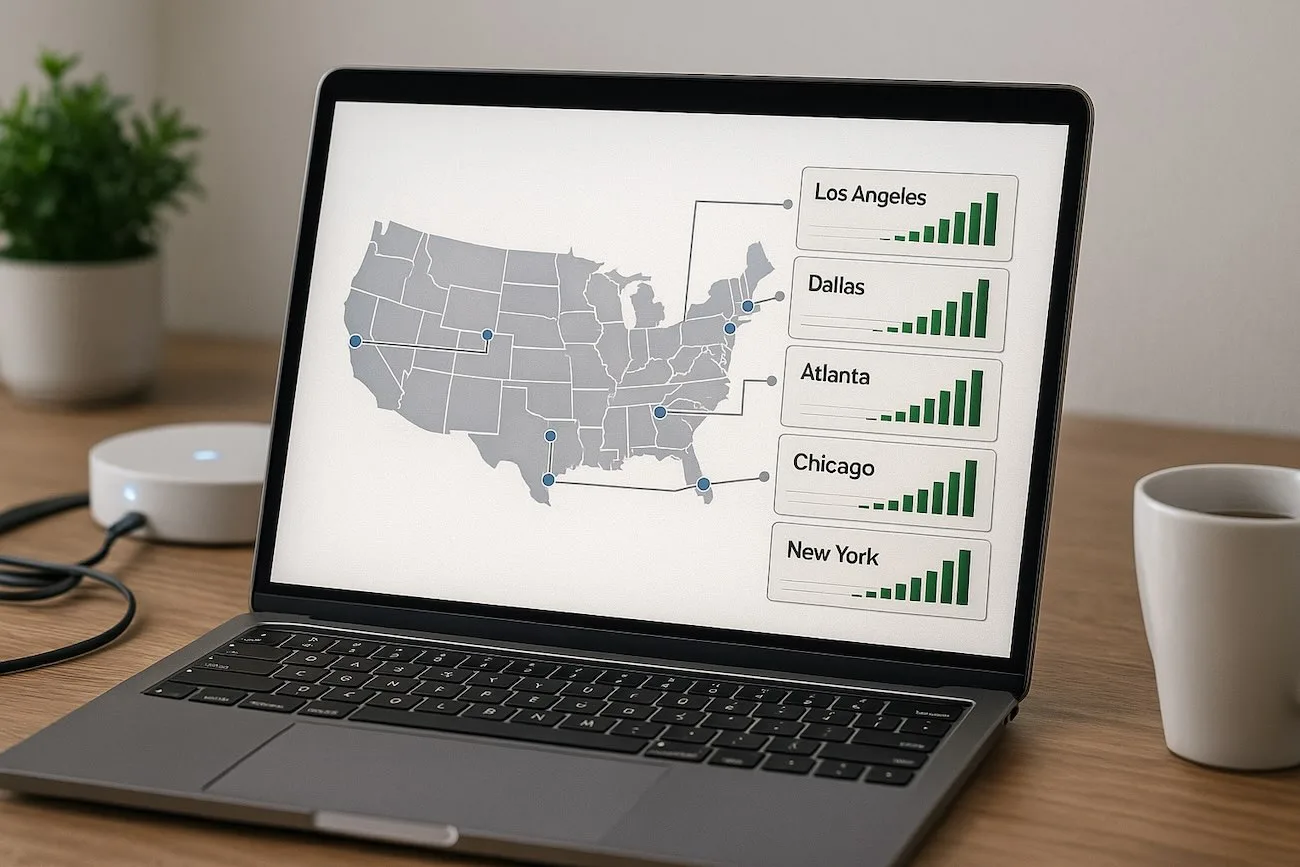
Nationwide 5G coverage
View PlanVerizon Fios
$34.99
/month300 Mbps
- Fiber-optic connection
- Unlimited data always
- 99.9% network reliability
- Router included
- 4-year price guarantee available
Northeast (9 States)
View PlanT-Mobile 5G Home
$50
/month100-400 Mbps
- Truly unlimited data
- No equipment fees
- No contracts or hidden fees
- Easy plug-and-play setup
- 15-day money-back guarantee
Nationwide – 60% coverage
View PlanQuantum Fiber
$30
/month200 Mbps
- Price for Life guarantee
- Symmetrical fiber speeds
- Unlimited data included
- Equipment included
- No annual contract
16 States (select markets)
View PlanCox StraightUp
$50
/month100 Mbps
- No data caps
- Free modem/router combo
- 3-year price guarantee
- Month-to-month plan
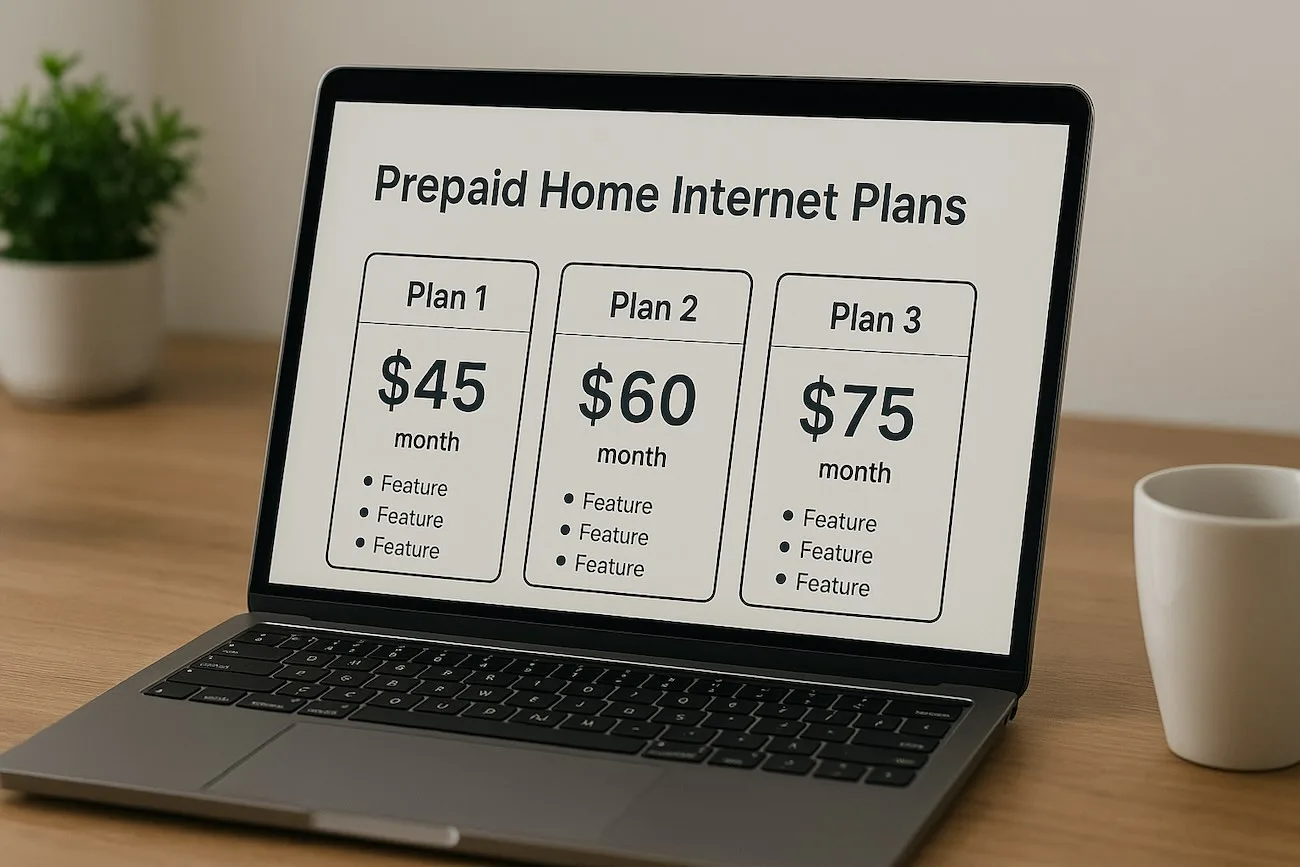
- Prepaid option available
18 States
View PlanComplete Comparison: Unlimited Plans Under $50
| Provider | Monthly Price | Speeds | Data Cap | Contract | Equipment Fee |
|---|---|---|---|---|---|
| Astound Broadband | $20/mo | 300 Mbps | Unlimited | None | Free |
| Frontier Fiber | $30/mo | 100-200 Mbps | Unlimited | None | Free |
| Spectrum Internet | $30/mo (promo) | 100 Mbps | No cap | None | Free modem |
| Verizon 5G Home | $35/mo | Up to 300 Mbps | Unlimited | None | Free |
| Verizon Fios | $35/mo | 300 Mbps | Unlimited | None | Free |
| AT&T Internet Air | $47/mo | Up to 225 Mbps | Unlimited | None | Free |
| Optimum Fiber | $40/mo (year 1) | 300 Mbps | Unlimited | None | Included |
| T-Mobile 5G Home | $50/mo | 100-245 Mbps | Unlimited | None | Free |
| Quantum Fiber | $30/mo | 200 Mbps | Unlimited | None | Free |
| Cox StraightUp | $50/mo | 100 Mbps | No cap | None | Free |
How Much Data Do You Really Use?
Before we dive deeper, let’s talk about what “unlimited” actually means for your household. According to 2024 data from Open Vault, the average American household uses about 500-700 GB per month. But that’s just an average—your actual usage depends on your lifestyle:
| Activity | Data Usage Per Hour | Monthly Usage (Moderate Use) |
|---|---|---|
| Netflix HD Streaming | ~3 GB/hour | 90 GB (1 hour daily) |
| Netflix 4K Streaming | ~7 GB/hour | 210 GB (1 hour daily) |
| Zoom Video Calls | ~1.5 GB/hour | 30 GB (5 hours weekly) |
| Online Gaming | ~0.05-0.15 GB/hour | 2-5 GB (varied) |
| Music Streaming | ~0.15 GB/hour | 10 GB (2 hours daily) |
| Browsing/Social Media | ~0.15 GB/hour | 15-20 GB (varied) |
| Large File Downloads | Varies widely | 50-100 GB |
Reality Check:
If you have multiple people streaming, working from home, or gaming simultaneously, you can easily hit 1 TB (1,000 GB) or more per month. That’s exactly why unlimited data isn’t just a luxury—it’s essential for modern households.
What to Watch Out For
Not all “unlimited” plans are created equal. Here are some sneaky things providers do that you should be aware of:
Hidden “Unlimited” Restrictions
- Throttling: Some providers slow your speeds after you hit a certain threshold (like 1.2 TB). T-Mobile, for instance, may deprioritize your traffic during congestion after 1.2 TB.
- Fair Use Policies: The fine print might say “unlimited” but include vague language about “reasonable use.”
- Network Management: During peak hours, heavy users might experience slower speeds.
Provider Spotlight: Detailed Breakdowns
Astound Broadband – The Unbeatable Value
If you live in Astound’s service area, you’ve hit the jackpot. At just $20/month for 300 Mbps with unlimited data, this is hands-down the best value in the country. The catch? Coverage is limited to 10 states, and prices do increase after 12 months (though they’re still competitive). Also note that some West Coast locations have data caps, so always verify with your specific address.
Best for: Budget-conscious families who want fast, reliable internet without breaking the bank.
T-Mobile 5G Home Internet – The National Champion
Available in about 60% of US households, T-Mobile offers the simplest unlimited internet experience. You get a gateway in the mail, plug it in, and you’re online—no technician needed. The $50/month price includes everything with no surprises. Speeds vary depending on your location and local tower congestion, but most users report 100-245 Mbps, which is plenty for streaming, gaming, and remote work.
Best for: Renters, frequent movers, or anyone who wants hassle-free internet with nationwide availability.
Verizon Fios – The Reliability King
If you’re in the Northeast and can get Verizon Fios, this is your gold standard. Fiber internet means consistent speeds, ultra-low latency, and 99.9% uptime. The 300 Mbps plan at $35/month includes symmetrical upload speeds (300 Mbps up and down), which is perfect for video calls, content creators, and anyone who uploads large files. Plus, with the 4-year price guarantee option, you know exactly what you’ll pay.
Best for: Work-from-home professionals, content creators, and anyone who needs rock-solid reliability.
Frontier Fiber – The Dark Horse
Frontier has been aggressively upgrading to fiber in many markets, and their “Price for Life” guarantee is legit. Starting at around $30-50/month depending on your market, you get symmetrical fiber speeds with unlimited data and a promise that your rate won’t increase. Customer service has historically been hit-or-miss, but the product itself is solid.
Best for: Long-term residents who want price stability and don’t mind dealing with occasional service hiccups.
Money-Saving Pro Tip
Many providers offer discounts when you bundle with their mobile service. Verizon gives you $15/month off home internet with any mobile plan. T-Mobile does the same. If you’re already a customer of these carriers on your phone, you could save $180-$360 per year on internet!
How to Choose Your Perfect Plan
Picking the right unlimited internet plan comes down to four key factors:
- Availability: Start by checking which providers actually service your address. Don’t assume—even neighbors across the street might have different options.
- Actual Speed Needs: Be honest about your usage. A couple streaming Netflix doesn’t need gigabit speeds. But a household with remote workers, gamers, and heavy streamers should go for at least 300 Mbps.
- Total Cost: Look beyond the advertised rate. Factor in equipment fees, installation costs, and what happens after promotional pricing ends. A $30 plan that jumps to $70 after a year might not be the deal it seems.
- Connection Type: Fiber > Cable > Fixed Wireless > Satellite. If you can get fiber at a competitive price, grab it. But modern cable and 5G home internet work great for most people.
Quick Decision Guide
- Living in Astound territory?
Astound Broadband - Need nationwide availability?
T-Mobile 5G Home - In the Northeast with Fios available?
Verizon Fios - Budget-conscious with widespread options?
Spectrum - Want price stability long-term?
Quantum Fiber or Frontier
Low-Income Unnlimited Options
If you’re on a tight budget or qualify for assistance programs, there are even cheaper options:
- Astound Internet First: $9.95/month for eligible households (no contracts, includes free unlimited mobile line for 1 year)
- Cox Connect2Compete: $9.95/month for 100 Mbps (must have K-12 student in household)
- Xfinity Internet Essentials: $14.95/month for 75 Mbps with unlimited data
- AT&T Access: $30/month for 100 Mbps (for SNAP/SSI participants)
- Spectrum Internet Assist: $30/month for 100 Mbps with unlimited data
- Lifeline Program: Federal program offering up to $9.25/month discount
While the Affordable Connectivity Program (ACP) ended in 2024, these provider-specific programs are still available and genuinely helpful for qualifying households.
Frequently Asked Questions
Most providers genuinely offer unlimited data, meaning no overage charges. However, some may “deprioritize” your traffic during network congestion if you use extreme amounts (typically over 1-1.2 TB per month). This means your speeds might slow during peak hours if the network is busy. For the vast majority of users, this never becomes an issue. Plans from providers like Verizon Fios, AT&T Fiber, and Astound are truly unlimited without any soft caps.
These terms are essentially the same thing—both mean you won’t be charged overage fees or have your service cut off for using too much data. Some providers say “no data caps” (like Spectrum) while others say “unlimited” (like T-Mobile), but functionally they mean the same thing for consumers. The key is reading the fine print about any speed throttling or deprioritization policies.
Absolutely! The plans listed in this guide are from legitimate, established providers offering real unlimited service. Astound’s $20 plan, for example, has won multiple awards for value. The key is that these are promotional or standard rates—not introductory gimmicks. However, always check what the price will be after any promotional period ends, and verify the provider actually services your specific address.
For most households, yes. 100-300 Mbps is sufficient for streaming multiple 4K videos simultaneously, video conferencing, online gaming, and regular browsing. Here’s a rough guide: 100 Mbps handles 1-3 people comfortably; 300 Mbps works great for 3-5 people; 500+ Mbps is ideal for large households or power users. Remember, you’re sharing the speed across all devices, so more people and devices mean you need more speed.
With the plans listed here, nothing happens—they’re unlimited. Some providers like Xfinity have 1.2 TB caps on certain plans, but the unlimited plans featured here don’t charge overages. The only thing to watch for is that some providers (like T-Mobile) may slow your speeds during network congestion if you’re an extremely heavy user (over 1.2 TB), but this rarely affects most users and only happens during peak times.
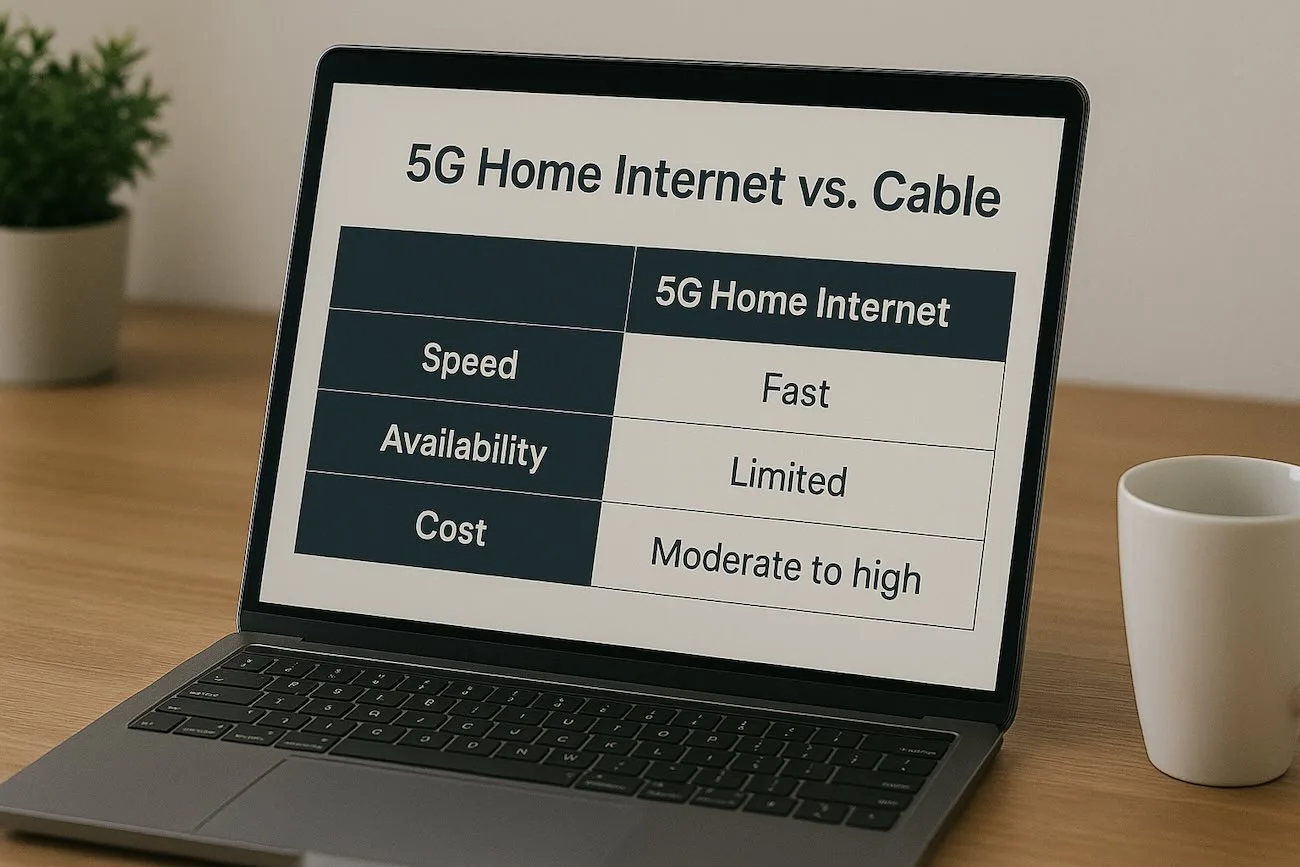
If fiber is available at your address, that’s usually your best bet for consistency and speed. Cable internet is also very reliable. 5G home internet (like T-Mobile or Verizon) is excellent for many households and offers great flexibility with no installation needed. The main drawback is speeds can vary based on your distance from towers and network congestion. If you’re in a good 5G coverage area, it’s definitely worth trying—most providers offer money-back guarantees.
Common fees include equipment rental ($10-15/month, though many providers include this free), installation fees ($50-100, often waived for self-install), and activation fees ($25-50). T-Mobile and Verizon 5G Home are great because their advertised price is exactly what you pay—no equipment fees, no installation costs, no surprises. Always ask for the “total monthly cost including all fees” before signing up.
Yes! All the plans featured here are no-contract, meaning you can cancel anytime without early termination fees. You’ll typically need to return any rented equipment within 30 days to avoid charges, but that’s it. This flexibility is one of the best parts of modern internet service—you’re not locked in for years like in the past. Just make sure your new provider is set up before canceling your old service so you don’t have downtime.
Most of the providers listed include free equipment (router/modem). Fiber providers like AT&T, Verizon Fios, and Frontier always include it. T-Mobile and Verizon 5G Home also include the gateway for free. Cable providers like Spectrum and Cox often include a free modem but may charge for the router (or you can buy your own). For the plans under $50 featured here, most include everything you need with no additional equipment costs.
Final Thoughts: Your Next Steps
Finding unlimited home internet under $50 isn’t just possible—it’s actually pretty straightforward once you know where to look. The internet industry has become far more competitive in 2025, with providers offering better deals to attract and retain customers. No more data anxiety, no more overage fees, just consistent, reliable internet at a price that makes sense.
My honest recommendation? If Astound is in your area, start there—you won’t find better value. If not, T-Mobile 5G Home is your best bet for nationwide coverage and simplicity. Got Verizon Fios available? That’s your premium option that still comes in under budget. And if you’re in Spectrum or Frontier territory, those are solid choices too.
The most important thing is to actually check availability at your specific address and compare the total monthly cost (including any fees). Most providers let you do this online in about 2 minutes. Don’t settle for expensive internet with data caps when these unlimited options are available for less than you’re probably paying right now.
Ready to Make the Switch?
- Check your address with 2-3 providers from this list
- Compare total monthly costs including all fees
- Read recent reviews specific to your area (Reddit and local Facebook groups are goldmines)
- Take advantage of money-back guarantees to test the service
- Set a calendar reminder before any promotional pricing expires
Remember, with no contracts, you’re not stuck if something better comes along. The internet landscape keeps improving, and you should take advantage of that flexibility. Here’s to unlimited streaming, endless gaming sessions, and never worrying about data caps again!
Disclaimer: Last update November 2025. Prices, availability, and offers subject to change without notice. All speeds are maximum advertised speeds; actual speeds may vary. Information verified through provider websites and third-party reviews. This guide is for informational purposes only.