Best Cheap Internet for Students – Free Modem Included

Student Internet Plans with Free Modem

TL;DR: Spectrum offers 500 Mbps for $50/month with a free modem—best overall value for students Cox Connect2Compete gives qualifying students 100 Mbps for just $9.95/month with free equipment Xfinity Internet Essentials provides 75 Mbps for $14.95/month with free modem and router Low-income students can get internet as cheap as $9.95-$14.99/month with free equipment Verizon Fios offers $10/month student … Read more

Best Internet Plans for Seniors With Unlimited Data

Best Internet Plans for Seniors

TL;DR: Most major providers don’t offer age-based senior discounts, but many have low-income programs AT&T Fiber offers the best overall service with plans from $55/month and excellent customer support Xfinity provides the best bundling options for internet, TV, and phone services Low-income programs start as low as $9.95-$14.95/month for qualified seniors Federal Lifeline Program offers $9.25/month discount … Read more

Unlimited Home Internet Plans Under $50 a Month

Unlimited Home Internet Under $50

TL;DR: Astound Broadband wins for value at just $20/month for 300 Mbps with unlimited data T-Mobile 5G Home offers nationwide coverage at $50/month with zero data caps Verizon Fios delivers fiber reliability starting at $34.99/month Average US households use 500-700 GB monthly—these plans handle it easily All featured plans include unlimited data with no overage fees Most plans … Read more

Cheapest No-Contract Home Internet Plans by Area

Cheapest No-Contract Home Internet Plans by Area

TL;DR: T-Mobile 5G Home Internet leads at $50/month with nationwide coverage and no hidden fees AT&T Fiber starts at $55/month for 300 Mbps in 21 states Spectrum offers plans from $30-$50/month with wide availability Verizon Fios provides 300 Mbps for $35/month in the Northeast No-contract plans give you freedom to cancel anytime without penalties Fiber … Read more

How to Test Your Internet Speed Accurately at Home

How to Test Your Internet Speed Accurately at Home

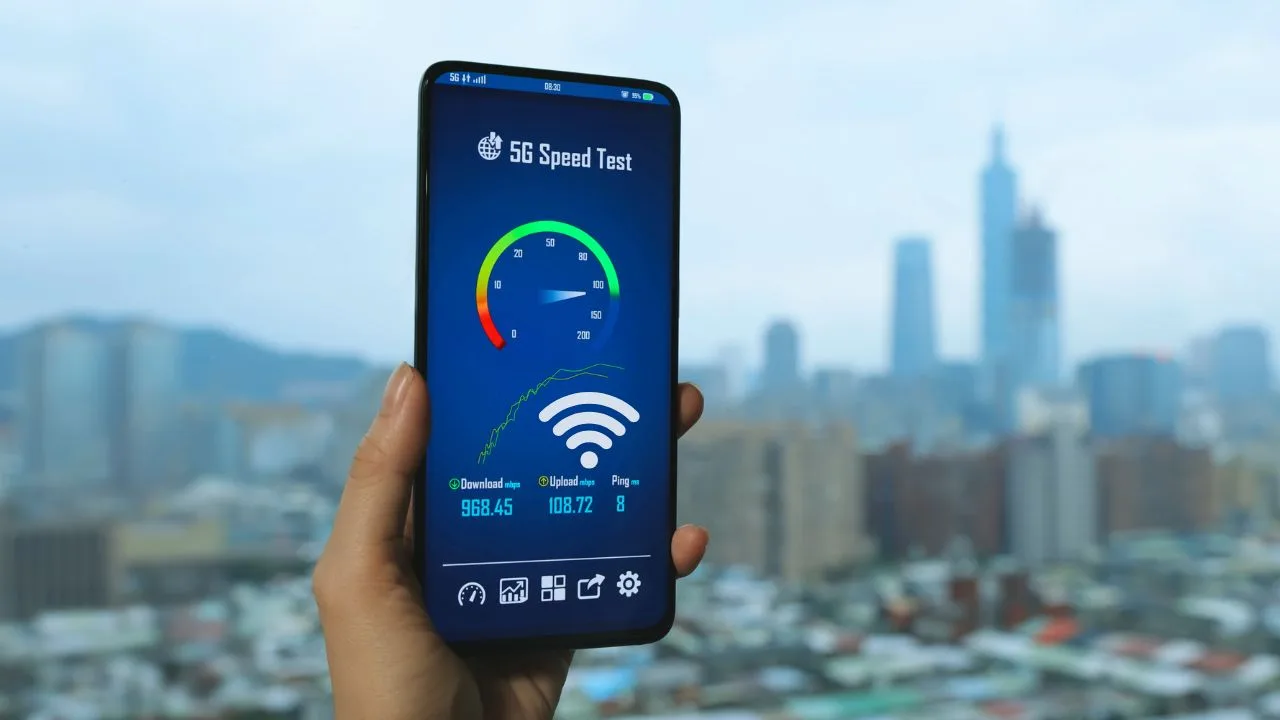
TL;DR: For accurate home speed results, quiet your network (pause downloads, turn off VPN), run three tests and use the median, and compare Ethernet (baseline) vs Wi-Fi on 2.4/5/6 GHz. Check more than megabits—watch latency, jitter, and packet loss. If wired speeds match your plan but Wi-Fi is weak, fix placement, channels, firmware, or cables; … Read more

How much internet speed do you need for 4K streaming?

How much internet speed do you need for 4K streaming

TL;DR: Budget ~25 Mbps per 4K stream (35–50 Mbps for comfort) and add the same for each simultaneous stream. Most hiccups come from Wi-Fi, not your plan—use 5 GHz/Wi-Fi 6 or Ethernet, place the router well, and turn on QoS/SQM to control bufferbloat. Aim for 15–20+ Mbps upload, watch data usage, and pick a simple … Read more

Mesh Wi-Fi vs Range Extender—Which Should You Buy?

Mesh Wi-Fi vs Range Extende

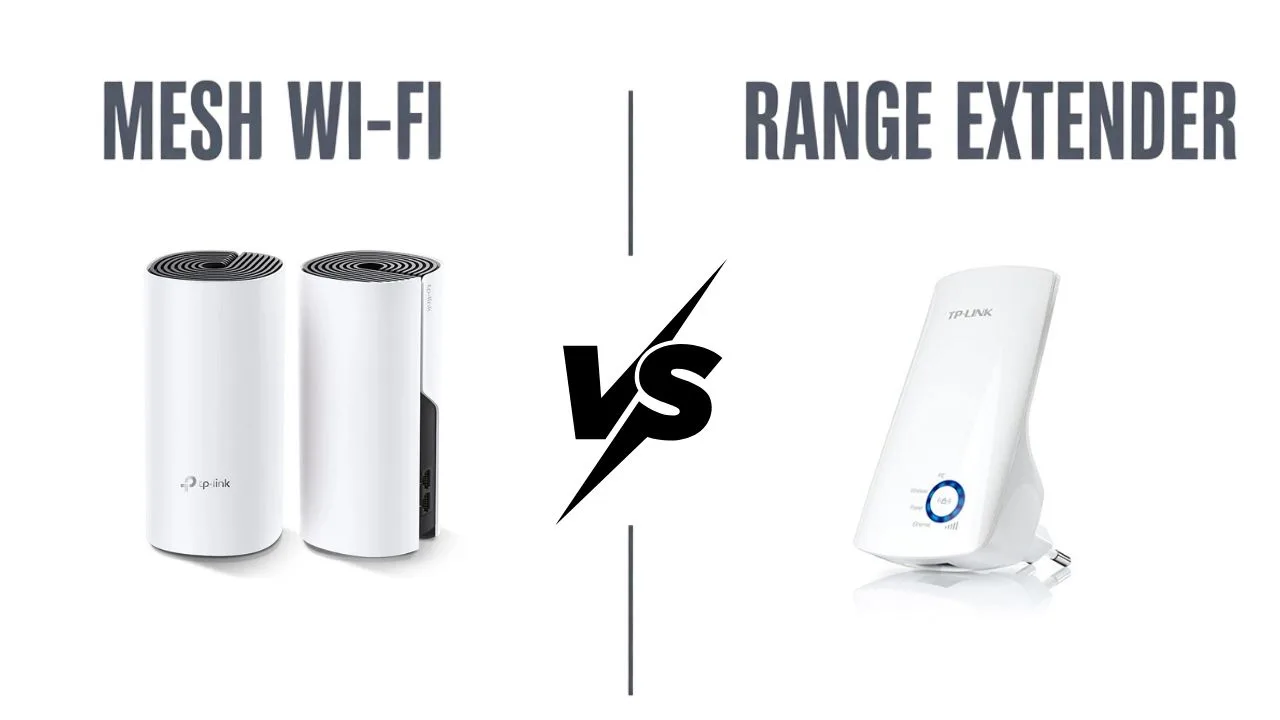
TL;DR: Got one stubborn dead spot and a modest plan? Grab a dual-band extender and place it midway to the router. Want whole-home, one-name Wi-Fi with smooth roaming for calls and steady speeds across floors? Choose a mesh system—ideally tri-band or with Ethernet backhaul—on Wi-Fi 6/6E. Extenders are cheaper for quick patches; mesh costs more … Read more

Upload vs Download Speed: Best Mix for Working From Home

Upload vs Download Speed Best Mix for Working From Home

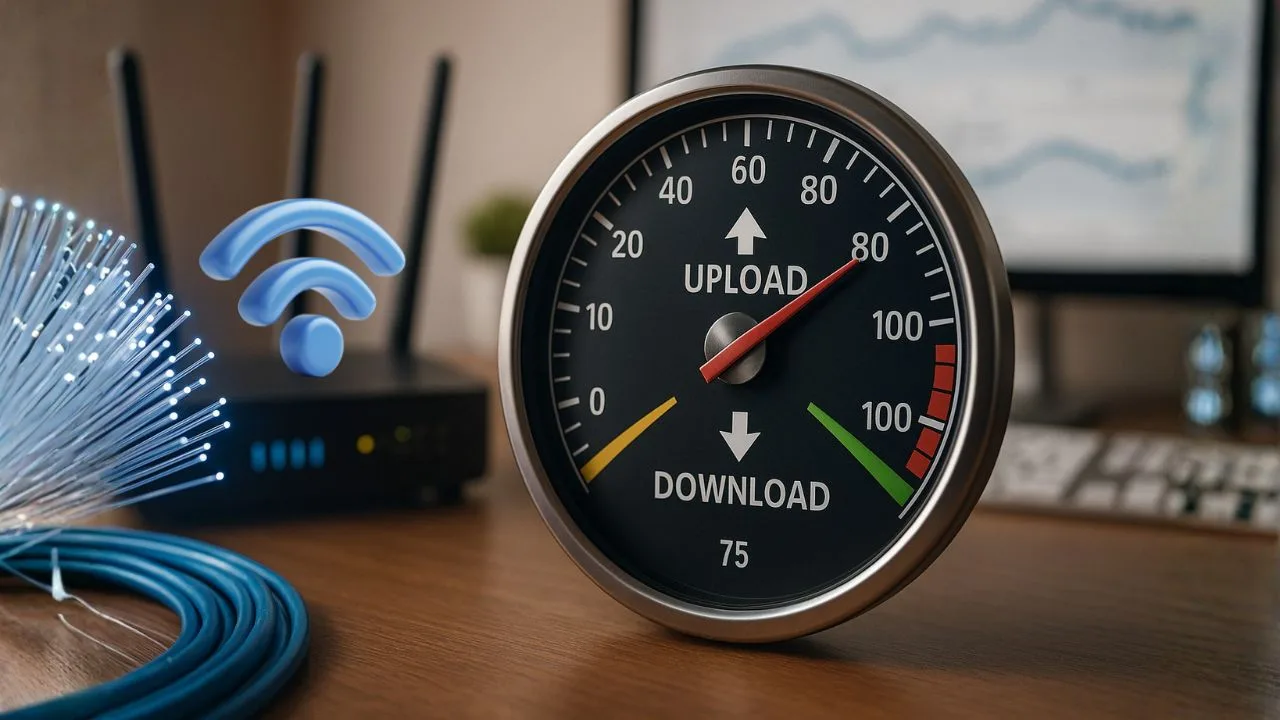
TL;DR: For smooth WFH, prioritize upload (your voice/video) as much as download. Aim for at least 10 Mbps up for solo calls, 20–30 Mbps up for two people, and go higher—or fiber—if you send big files. Test speeds during meetings, add ~30% headroom, and try quick fixes before upgrading: Ethernet, pause cloud sync, enable router … Read more

Best Latency for Online Gaming: Ping, Jitter & Packet Loss

Best Latency for Online Gaming Ping, Jitter & Packet Loss

TL;DR: Smooth online play comes from low ping, low jitter, and zero packet loss—not big Mbps. Aim for <30 ms ping, <5 ms jitter, and 0% loss (casual is fine up to ~50 ms ping and <10 ms jitter). Get there by using Ethernet (or strong 5 GHz Wi-Fi), enabling QoS/SQM to stop upload spikes, … Read more

What is a Good Internet Speed for Gaming & Streaming?

What is a Good Internet Speed for Gaming & Streaming

TL;DR: Streaming needs steady bandwidth (about 5–10 Mbps for HD and 15–25 Mbps for 4K per screen), while gaming cares more about low ping (<30 ms) and low jitter (<10 ms) than huge speeds. Plans around 100–300+ Mbps feel great for busy homes, but even 100–300 Mbps is plenty if latency is stable. For the … Read more