
TL;DR:
So, What’s the Real Difference?
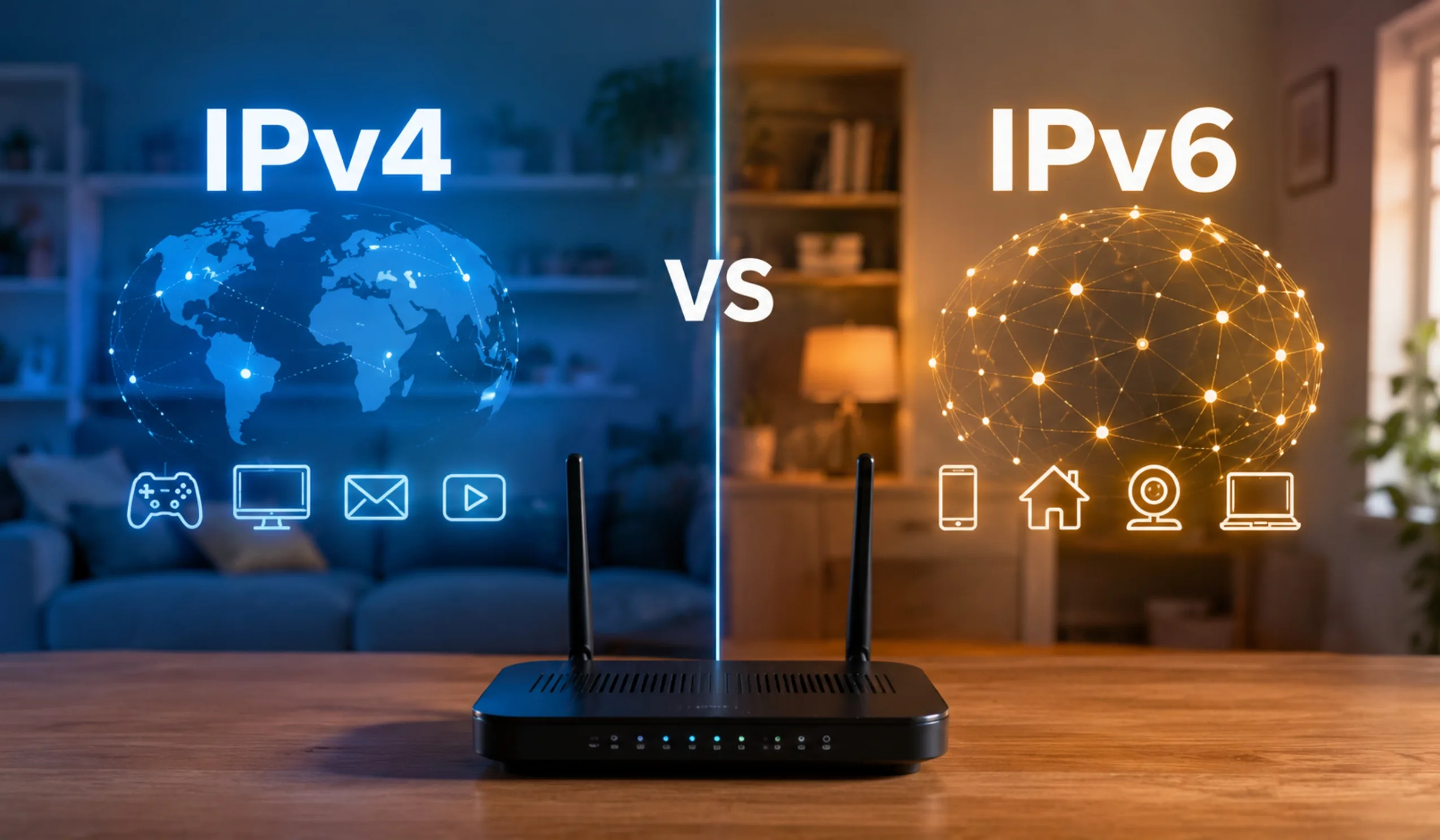
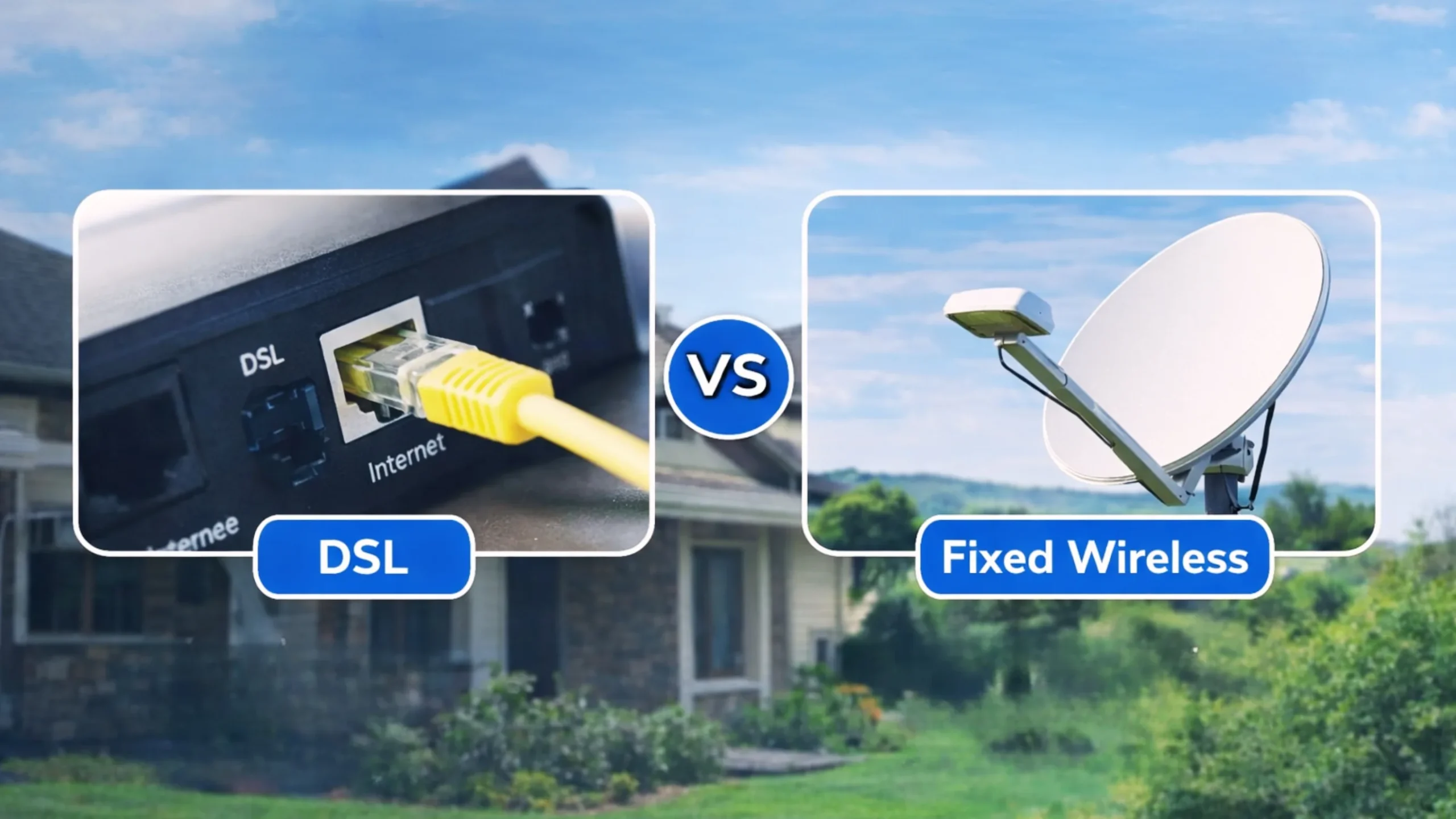
If you live outside a city — or just in one of those neighborhoods that cable and fiber forgot — you’ve probably been weighing these two options for a while: DSL and fixed wireless. Both can get you online, but they do it in fundamentally different ways. And in 2026, the gap between them is bigger than ever.
DSL (Digital Subscriber Line) runs internet through your existing copper phone wires. It’s been around since the late ’90s and remains available in most places that have landline phone infrastructure. Fixed wireless, on the other hand, beams internet to your home using radio signals from nearby cell towers or dedicated antennas — no wires needed between the tower and your house.
The technology behind each option shapes everything from the speeds you’ll get to how much you’ll pay and how reliable your connection feels during a busy evening. Let’s break it all down so you can make the right call.
Head-to-Head Comparison Table
Here’s how DSL and fixed wireless stack up across the metrics that actually matter for everyday use. We’ve pulled current data from major providers and real-world performance reports.
DSL vs Fixed Wireless — Full Breakdown
| Feature | DSL Internet | Fixed Wireless |
|---|---|---|
| Download Speed | 5 – 100 Mbps | 100 – 500+ Mbps Winner |
| Upload Speed | 1 – 10 Mbps | 12 – 55 Mbps Winner |
| Monthly Price | $50 – $65/mo | $35 – $70/mo Better Value |
| Latency (Ping) | 25 – 50 ms Slight Edge | 20 – 50 ms |
| Reliability | Consistent but slow; depends on distance from hub | Good; minor variations during congestion Tie |
| Data Caps | Some plans have 300 GB – 1 TB caps | Unlimited on most plans Winner |
| Equipment | $10 – $15/mo modem rental or $100+ to buy | Free gateway included Winner |
| Contracts | Month-to-month or 1–2 year | No contracts Winner |
| Installation | May need phone jack + modem setup | Self-install in minutes (plug & play) Easier |
| Weather Impact | Minimal (wired connection) Edge | Minor impact in extreme weather |
| Availability | ~90% of US homes (phone line areas) Wider | Growing fast — 5G reaching ~55% of US |
| Future-Proof | Aging copper technology, declining investment | 5G expanding rapidly, speeds improving Winner |
| Best For | Light users, basic browsing, email, no alternatives | Streaming, remote work, gaming, multi-device homes |
What You’ll Actually Experience Speed-Wise
DSL speeds depend heavily on one thing most people don’t think about: how far your house is from the provider’s central office (called a DSLAM). If you’re within a mile or two, you might get a decent 50–100 Mbps. But for many rural users? You could be stuck in the 5–25 Mbps range. And upload speeds on DSL are painfully slow — often just 1–5 Mbps.
Fixed wireless — especially the 5G variety from providers like T-Mobile and Verizon — is a completely different story. Typical download speeds land between 100 and 300 Mbps, with some areas reaching 400 Mbps or more. Upload speeds range from 12 to 55 Mbps. That gap is massive when you’re uploading files for work, video calling on Zoom, or backing up your phone to the cloud.
In speed tests from Ookla’s 2025 data, 5G fixed wireless plans regularly delivered 85–95% of advertised speeds. DSL connections, by contrast, varied wildly depending on location — some users got close to their plan speeds, while others in remote areas received less than half. The further you are from the central office, the worse it gets.
Top Fixed Wireless Internet Plans (2026)
Fixed wireless has become seriously competitive, thanks to T-Mobile and Verizon pouring billions into 5G infrastructure. Here are the standout options available right now.
T-Mobile
Rely Home Internet
$35
/monthTypical speeds: 87 – 318 Mbps download
- Unlimited data, no caps
- No contracts required
- Free 5G Wi-Fi gateway included
- 5-year price guarantee
- 15-day free trial
T-Mobile
All-In Home Internet
$55
/monthTypical speeds: 170 – 498 Mbps download
- Fastest 5G home internet (Ookla-verified)
- Premium Wi-Fi 7 gateway + mesh extender
- Hulu & Paramount+ included
- Advanced cybersecurity & 24/7 tech support
- 5-year price guarantee
Verizon
5G Home Internet
$35
/monthTypical speeds: 85 – 300 Mbps download
- No annual contracts
- Free router included
- Unlimited data
- Price discounts with Verizon wireless
Pricing reflects AutoPay discounts and wireless bundle pricing where noted. Speeds vary by location, signal strength, and time of day. Check availability at your address.
Top DSL Internet Plans (2026)
DSL isn’t flashy, but it’s still widely available and might be your only wired option in certain areas. Here are the current plans worth looking at.
CenturyLink
Simply Unlimited Internet
$55
/monthUp to 100 Mbps download (varies by location)
- Unlimited data on all plans
- No annual contracts
- Available in 36 states
- Modem lease $15/mo or $200 to buy
AT&T
Internet Basic (DSL)
$60
/monthUp to 100 Mbps download (varies by location)
- No installation fee with self-install
- Bundle savings with AT&T wireless
- Data caps may apply (1 TB)
- Wide availability in Southeastern US
Kinetic by Windstream
Basic Internet
$44.99
/monthUp to 50 Mbps download
- No contracts required
- Available in 18 states
- Affordable entry-level pricing
- Bundle options available
DSL speeds depend heavily on distance from provider hub. Actual speeds may be significantly lower than advertised maximums, especially in rural areas. Check your address for accurate speed estimates.
DSL Internet: Pros & Cons
DSL has served millions of homes for decades, and it still has a place — especially where no other options exist. But it’s showing its age.
What’s Good
- Available in most areas with phone lines (~90% of US)
- Dedicated connection — not shared with neighbors
- Consistent speeds (though slow) regardless of peak hours
- No weather interference on wired connection
- Lower starting prices in some areas
- Works during power outages (phone line powered)
The Downsides
- Speeds drop dramatically with distance from hub
- Upload speeds painfully slow (1–10 Mbps)
- Aging copper infrastructure with minimal upgrades
- Many plans have data caps (300 GB – 1 TB)
- Modem rental fees add $10–$15/mo
- Not fast enough for multi-device households
- Providers phasing out DSL investment
Fixed Wireless Internet: Pros & Cons
Fixed wireless — particularly 5G home internet — has rapidly become the go-to alternative to cable and fiber. Here’s the honest picture.
What’s Good
- Much faster speeds (100–500+ Mbps)
- Easy plug-and-play setup in minutes
- Free gateway/equipment included
- No contracts with most providers
- Unlimited data on most plans
- 5-year price guarantees (T-Mobile)
- Rapidly expanding 5G coverage
- Great customer satisfaction scores
The Downsides
- Availability depends on tower proximity
- Speeds can fluctuate during peak congestion
- Performance impacted by extreme weather or obstructions
- Not available everywhere yet (~55% of US for 5G)
- Deprioritization possible after heavy usage (1.2 TB+)
- Latency slightly higher than wired options
The Real Cost Over 3 Years: Let’s Do the Math
The monthly price tag only tells part of the story. When you include equipment rental, data caps, and the actual speeds you’re getting, the picture changes. Here’s what comparable plans actually cost over three years.
DSL (CenturyLink)
Fixed Wireless (T-Mobile)
Plus you get 3–10x faster speeds and unlimited data — a clear win on value.
If you’re a T-Mobile wireless customer, bundling your phone and home internet drops the Rely plan to just $35/mo — bringing the 3-year total to just $1,260. That’s nearly half the cost of DSL for dramatically better performance.
Why Upload Speed Is the Silent Dealbreaker
Most people focus on download speeds when shopping for internet. But in 2026, upload speed matters more than ever — and it’s where DSL falls flat on its face.
Working from home means constant video calls, cloud syncing, and file sharing. Posting content to social media? You’re uploading gigabytes of video. Backing up family photos? That runs in the background all day. With DSL upload speeds of 1–5 Mbps, uploading a 2 GB video to YouTube takes roughly 45 minutes. On fixed wireless with 30 Mbps upload? That same file takes under 9 minutes.
If anyone in your household does video calls for work, streams on Twitch, uses cloud backup, or runs a home-based business, DSL upload speeds will bottleneck your day constantly. Fixed wireless won’t.
DSL technology splits your phone line’s available bandwidth between downloads and uploads. Providers allocate most of it toward downloads because the infrastructure was designed in the ’90s when uploading barely mattered. Unlike fiber or fixed wireless, there’s no practical way to upgrade this without replacing the copper entirely.
Is DSL Being Phased Out?
Here’s something DSL customers should know: major providers are gradually stepping away from copper-based DSL. AT&T has been shifting investment heavily toward fiber and 5G, and CenturyLink (now Lumen/Quantum Fiber) is prioritizing fiber expansion over DSL upgrades. Verizon completed its acquisition of Frontier in early 2026, and the combined company is focused on fiber rollout rather than maintaining DSL infrastructure.
This doesn’t mean DSL is disappearing tomorrow. Millions of homes still rely on it, and providers will maintain existing service. But the writing is on the wall — DSL investment is declining, and speeds are unlikely to improve. Meanwhile, 5G fixed wireless coverage is expanding aggressively, with both T-Mobile and Verizon pouring billions into infrastructure. If you’re signing up for DSL in 2026, you’re joining a technology that’s winding down, not ramping up.
The federal BEAD (Broadband Equity, Access, and Deployment) program is funneling billions into underserved areas. Most of this funding is going toward fiber and fixed wireless — not DSL. Over the next few years, many areas currently limited to DSL should gain access to faster alternatives.
Which Should YOU Choose? Decision Time
The right choice depends on what’s available at your address, how you use the internet, and what you’re willing to spend. Here’s the straightforward breakdown.
Choose DSL If…
- Fixed wireless isn’t available at your address
- Your internet use is very light (email, basic browsing)
- You need a wired connection with no wireless variability
- You live close to the provider’s central office
- You only have 1–2 devices connected
- Fiber or cable aren’t options either
Choose Fixed Wireless If…
- 5G coverage is available at your address
- You stream video, game, or work from home
- Your household has 3+ people online at once
- You want faster speeds without laying new cable
- You’re tired of slow uploads on DSL
- You want no contracts and free equipment
- You want a future-proof connection
Our Verdict
For most homes in 2026, fixed wireless internet — especially 5G home internet from T-Mobile or Verizon — is the better choice over DSL. The speeds are dramatically faster, the pricing is competitive or cheaper, and the setup is easier. T-Mobile’s 5-year price guarantee and free equipment make it particularly compelling.
That said, DSL still makes sense in specific situations — particularly if you’re very close to a provider hub, have extremely light internet needs, or simply don’t have fixed wireless coverage yet. It’s a reliable, if slow, fallback.
The bottom line? Check 5G fixed wireless availability at your address first. If T-Mobile or Verizon serves your location, it’s almost certainly the better deal. If not, DSL can bridge the gap while 5G coverage continues expanding to more areas every month.
Frequently Asked Questions
Yes, for the vast majority of users. 5G fixed wireless from T-Mobile and Verizon delivers consistent speeds that far exceed what DSL offers. T-Mobile received the highest customer satisfaction scores among wireless internet providers in J.D. Power’s 2024–2025 studies. While there can be minor speed fluctuations during peak congestion, the baseline performance still runs circles around typical DSL connections. The only scenario where DSL might feel more “stable” is if you’re very close to the provider hub and need absolute consistency over speed.
It depends on the game and your connection quality. Online gaming doesn’t actually need a ton of bandwidth — 10–25 Mbps is usually fine. What matters more is latency and consistency. DSL latency (25–50 ms) is acceptable for casual games. But if you’re into competitive titles like Valorant, Call of Duty, or Fortnite, you’ll notice the difference. Fixed wireless with 5G typically delivers 20–35 ms latency with much faster speeds, giving you a smoother experience. And if you need to download game updates (often 50+ GB), DSL will have you waiting hours.
Fixed wireless can be affected by severe weather — heavy rain, dense fog, or storms — but the impact is usually minor and temporary. Modern 5G equipment is designed to handle typical weather conditions without significant disruption. DSL has a slight edge here since it uses a physical copper wire, but DSL lines can also be affected by water intrusion and flooding. In practice, both technologies are reliable through normal weather for most users.
Realistically, no. DSL runs on aging copper phone line infrastructure, and major providers are investing in fiber and 5G instead. Technologies like VDSL2 and G.fast can push DSL speeds higher in theory, but they require proximity to the provider hub that most rural users don’t have. The trend is clear: providers are phasing DSL investment down, not up. If you’re currently on DSL and want faster speeds, switching to fixed wireless or waiting for fiber expansion is a much better bet.
The easiest way is to visit the provider’s website and enter your address. For T-Mobile, go to t-mobile.com/home-internet and type in your address. For Verizon, check verizon.com/5g/home. You can also use aggregator sites like BroadbandNow.com that check multiple providers at once. Coverage is expanding rapidly — T-Mobile adds new areas monthly — so if it’s not available now, check back in a few months.
They use the same underlying 5G network, but home internet gateways are designed differently. Your 5G home internet gateway has a much larger antenna array than your phone, giving it better signal reception and more consistent performance. It’s also plugged into power rather than running on a battery, so it can maintain a stronger connection. Think of it like the difference between watching TV on your phone versus a proper screen — same content, better experience.
Absolutely. Fixed wireless — especially 5G home internet — handles remote work very well. The speeds (100–500 Mbps) are more than enough for video calls, cloud-based applications, file sharing, and VPN connections. Upload speeds of 12–55 Mbps are significantly better than DSL’s 1–5 Mbps, making video conferencing and file uploads far smoother. Many remote workers have switched from DSL or even cable to T-Mobile’s 5G home internet and report excellent results.
Most 5G fixed wireless plans advertise unlimited data, and technically they deliver it. However, some providers like T-Mobile may deprioritize your speeds after heavy usage (1.2 TB or more per month) during times of network congestion. For context, 1.2 TB is a LOT of data — roughly 480 hours of HD streaming or 120 hours of 4K streaming per month. The vast majority of households will never hit this threshold. DSL plans, by contrast, sometimes have hard data caps of 300 GB to 1 TB that result in overage fees.
A WISP (Wireless Internet Service Provider) is a local fixed wireless provider that operates its own towers and radio equipment, usually serving rural areas. WISPs use licensed or unlicensed radio frequencies to deliver internet, while T-Mobile and Verizon use their nationwide 5G cellular networks. WISPs typically offer slower speeds (25–100 Mbps) than 5G providers but can serve areas where T-Mobile and Verizon don’t have coverage yet. If 5G isn’t available at your address, a local WISP might still offer fixed wireless as a step up from DSL.
Last updated February 2026. Prices, speeds, and availability are based on current provider offerings and may vary by location. Always verify pricing and check availability at your specific address before signing up. We’re not affiliated with any providers mentioned — our goal is simply helping you make a more informed choice.